
February 7th Workshop- LEON BRENNER, PH.D: AUTISM AND THE PSYCHOANALYTIC SUBJECT

February 7th Workshop- LEON BRENNER, PH.D: AUTISM AND THE PSYCHOANALYTIC SUBJECT
Title:
Autism and the Psychoanalytic Subject
Presenter:
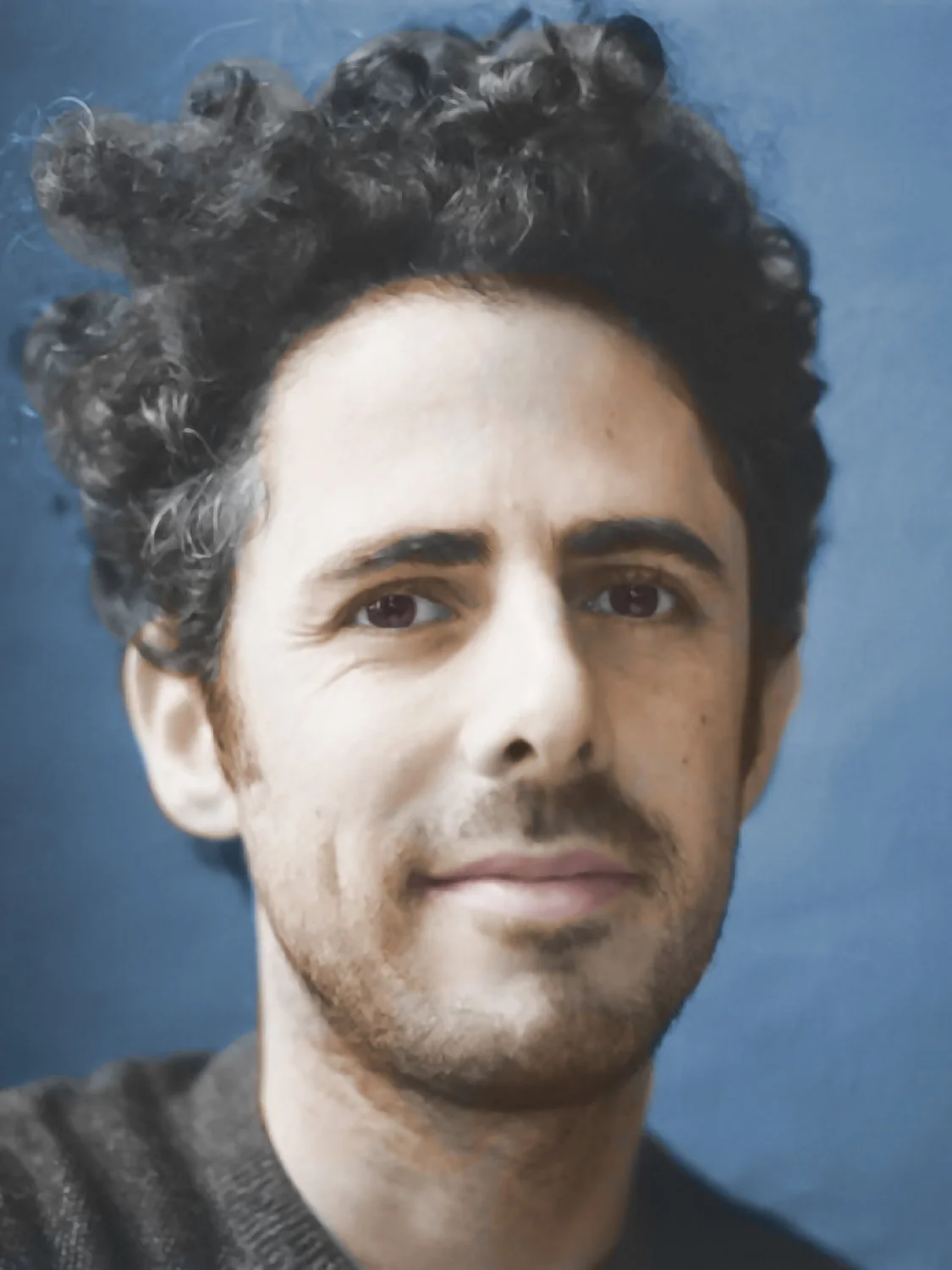
Dr. Leon S. Brenner, PhD
Date:
Saturday, February 7, 2026
Time:
10:00 AM – 1:00 PM (CST) for Dr. Brenner’s virtual workshop. For those who attend the virtual workshop in person, there will be a lunch and local case presentation to follow and end by 3PM.
Format:
Presentation will be hosted at The Center for Integrative Counseling for an in person viewing of Dr. Brenner’s virtual workshop. Directly following the 1PM workshop, a case presentation will be given by local clinician Gabby Patrick. Lunch will be provided.
Description:
Contemporary approaches to autism are often shaped by developmental, cognitive, or behavioral models that treat autistic experience primarily in terms of deficit, dysfunction, or delayed acquisition. While these models have generated valuable empirical insights, they frequently struggle to account for the subjective, linguistic, and relational dimensions of autistic life.
This workshop offers a psychoanalytic perspective on autism that approaches it not as a pathology to be corrected, but as a distinct mode of subjectivity. Drawing on Lacanian psychoanalysis alongside clinical experience, the program explores autism as a way of organizing language, embodiment, and relation to the others. Rather than asking what autistic individuals lack, the workshop asks how autistic subjects construct meaning, stabilize experience, and engage with the social world on their own terms.
A central focus of the workshop is communication. It challenges the widespread assumption that autistic people lack empathy or communicative capacity, and instead proposes that autistic subjects take language seriously, though often in ways that diverge from normative expectations. From this perspective, autistic language is neither absent nor defective, but structured differently, requiring a corresponding shift in how clinicians, educators, and caregivers listen and respond.
The workshop also addresses the ethical implications of this position. Following Lacan’s remark that the problem is not that autistic people do not listen, but that we speak to them according to our own ideals of care, the program examines how well-intentioned therapeutic and educational practices can inadvertently impose normative models of development, health, or relationality. Autism thus becomes a privileged site for rethinking care, not as normalization, but as an encounter with radical difference.
The session is addressed to clinicians, educators, researchers, and advanced students, as well as to family members and others with a sustained interest in psychoanalytic perspectives on autism, language, and subjectivity.
Learning Objectives:
By the end of this program, participants will be able to:
1. Describe how a psychoanalytic approach conceptualizes autism as a mode of subjectivity rather than a developmental deficit.
2. Identify key differences between normative models of communication and autistic forms of linguistic organization.
3. Explain how Lacanian concepts of language, listening, and the subject inform clinical and educational encounters with autistic individuals.
4. Describe how autism challenges conventional notions of care, empathy, and therapeutic intervention.
5. Reflect on how listening differently can alter professional and personal engagements with autistic subjects.
Presenter Bio:
Dr. Leon S. Brenner (Ph.D.) is a Berlin-based psychoanalytic practitioner, researcher, and lecturer whose work spans psychoanalysis, philosophy, mental health, and critical approaches to subjectivity and care. His research engages questions of language, embodiment, love, psychopathology, and sociality, with autism forming one important, but not exclusive, focus of his work.
He has extensive international teaching and lecturing experience across universities and professional institutes in Europe, North America, and beyond. He has taught and delivered lectures, seminars, and advanced training at institutions including King’s College London, Duke University, Ghent University, Duquesne University, and Columbia University, as well as at numerous psychoanalytic and interdisciplinary training institutes worldwide.
Selected Academic References:
Brenner, L. S. (2020). The Autistic Subject: On the Threshold of Language. Springer.
Brenner, L. S. (2021). The mirror in the real: Autistic identification in Lacan’s mirror stage. Theory & Psychology, 31(6), 777–795.
Brenner, L. S. (2022). Autistic disturbances in skin containment: The dermic drive as a psychoanalytic concept. Psychoanalytic Psychology, 39(3), 198–208.
Brenner, L. S. (2023). Epistemic harm in empathy. Journal of HARM, 2, 11–19.
Lacan, J. (1989). Geneva Lecture on the Symptom. Analysis, (1), 7–26.
Maleval, J.-C. (2010). L’autiste et sa voix. Paris: Seuil.
Case Discussion Following Dr. Brenner
Gabrielle Patrick, ACAS, is an executive coach and Advanced Certified Autism Specialist with over a decade of experience supporting neurodiverse professionals, neurocomplex couples, and late-diagnosed neurodivergent adults. She is currently completing her MA in Clinical Mental Health Counseling and is a first-year student at the Dallas Psychoanalytic Center. Gabrielle began her psychoanalytic training in the UK before returning to the United States after fifteen years abroad.
Her work integrates psychoanalytic thinking, neurotype-informed insight, and behavior-based strategies, informed by a background in adult learning, interpersonal communication strategy, and systems thinking. Gabrielle’s approach is relational, direct, and deeply attuned to the lived experience of neurodivergent thinkers navigating complex professional and interpersonal dynamics.