
APRIL WORKSHOP- Aisha Abbasi, MD: Developing a Stable Internal Home- Implications for Analytic Technique, Adult Development, and Geographic Relocations
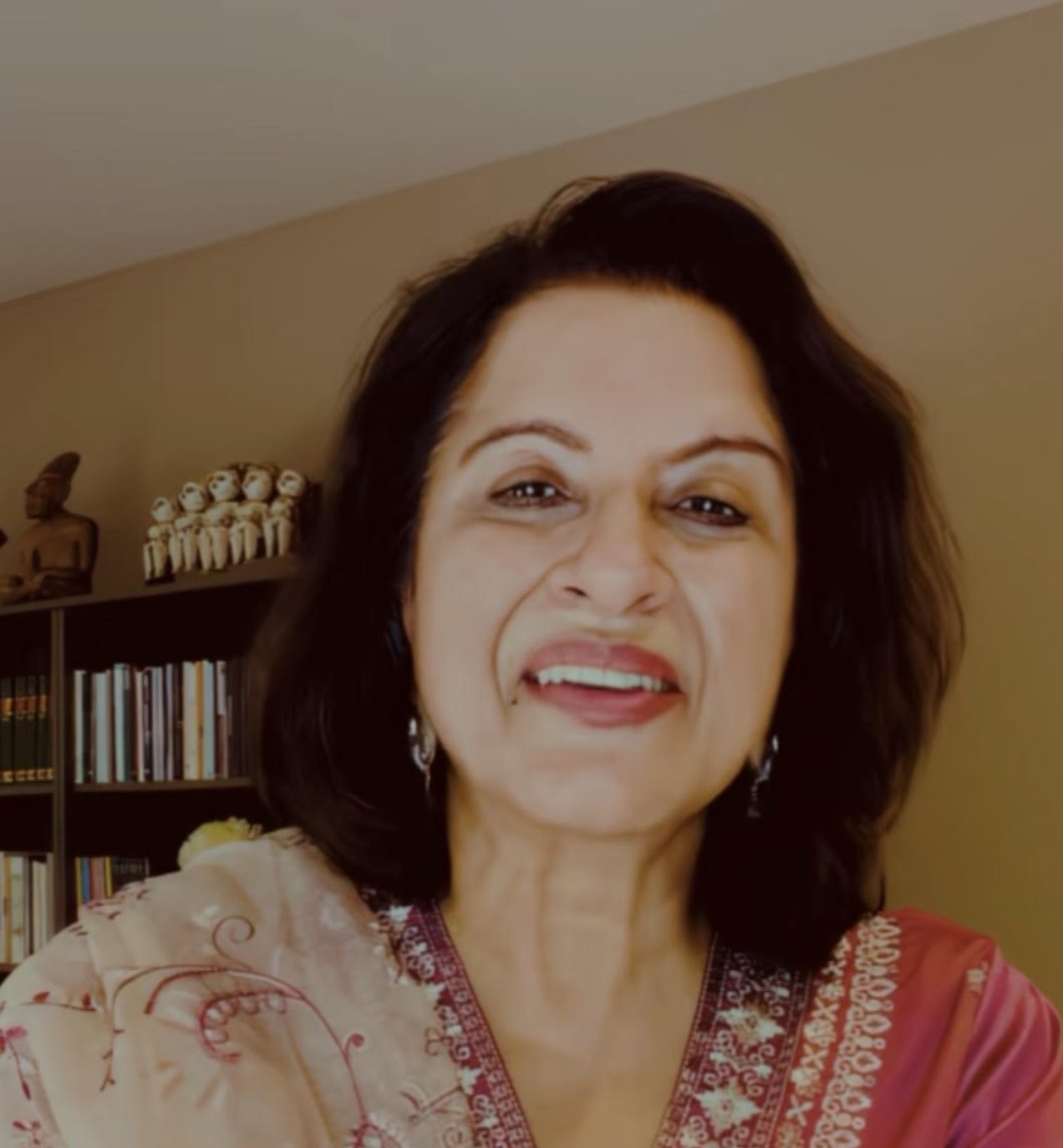
APRIL WORKSHOP- Aisha Abbasi, MD: Developing a Stable Internal Home- Implications for Analytic Technique, Adult Development, and Geographic Relocations
Developing a Stable Internal Home: Implications for Analytic Technique, Adult Development, and Geographic Relocations
Our remedies oft in ourselves do lie
— All’s Well That Ends Well
Date: Saturday, April 17th, 2027 9AM-2PM
Credits: 4 CE
Speaker: Aisha Abbasi, MD
Meeting is both on Zoom & in-person at:
The Center for Integrative Counseling & Psychology
4305 MacArthur Ave.
Dallas, TX 75209
In this paper, Dr. Abbasi discusses the theoretical framework that informs our current understanding of homesickness and nostalgia. She outlines developmental factors that affect the evolution, emergence, and at times, the persistence of these feelings.
Using clinical vignettes from her work, she demonstrates how and why the sense of homesickness / nostalgia , emerges in therapeutic work at the time when it does, and the challenges and opportunities it presents, both for the patient and the analyst.
Dr. Abbasi also shares with us her evolving understanding of her own feelings of homesickness, following two major immigrations in her life: one, when she moved from Pakistan to the USA in 1987; and the other, when she moved from Michigan to Portland, Oregon, in 2023. She delineates the intrapsychic work involved in such a process, and postulates that such work gives rise to the development of a new and more stable internal home within one’s mind.
She elaborates on the implications of this idea for analytic technique, especially as patients consider ending their work with the analyst. She also sees this as an important aspect of adult maturation and growth, one that is profoundly helpful during relocations, both local and distant, that many adults go through.
Building upon Mahler’s description of the first separation-individuation phase of toddlerhood, Blos’ understanding of adolescence as a second individuation, and Akhtar’s insights about immigration as a third individuation, Dr. Abbasi suggests that the development of a stable internal home in one’s mind, during mid to late adult life, is akin to a fourth individuation process within the self.
GAP IN KNOWLEDGE:
There exists a notable practice gap among mental health professionals regarding the clinical significance and therapeutic utility of the concepts of homesickness and nostalgia. This paper addresses this gap by providing a comprehensive psychoanalytic framework that situates homesickness and nostalgia within normal developmental processes across the lifespan, offering ways to understand these feelings as an opportunity for psychological growth and the development of what Dr. Abbasi terms an "internal home"—a process essential to adult maturation and individuation.
LEARNING OBJECTIVES:
Attendees will be able to demonstrate a psychological understanding of the concept of homesickness and utilize it in therapeutic work.
Attendees will be able to identify different forms of nostalgia patients present with and be prepared to analyze such nostalgia for the benefit of the patient.
Attendees will be able to discuss the concept of developing a stable internal home in one’s mind, and its significance for therapeutic technique and adult development.
PRESENTER BIOGRAPHY:
Dr. Aisha Abbasi is a dedicated psychoanalyst whose clinical practice spans both in-person and remote work across Portland, Oregon, California, Washington, New York, Michigan, and Florida. She was educated as an analyst at the Michigan Psychoanalytic Institute (MPI), where she served as a Training and Supervising Analyst until 2023. She's now a Geographic Rule Training and Supervising Analyst at the Florida Psychoanalytic Center (FPC) and a member of its National Faculty. She's also a Supervising Analyst for the Seattle Psychoanalytic Society and Institute (SPSI). She brings three decades of experience in guiding the next generation of psychoanalytic clinicians.
Dr. Abbasi is the Founder ( since 2025) of Let’s Talk Psychoanalysis, an online platform with educational offerings for all who have a serious interest in psychoanalytic ideas.
Dr. Abbasi serves on the boards of the Psychoanalytic Quarterly (as Secretary) and the Tampa Bay Psychoanalytic Society (TBPS). Her professional affiliations extend to the Oregon Psychoanalytic Center, and a co-facilitator role in the Group for Analysts of South Asian Origin.
The author of The Rupture of Serenity: External Intrusions and Psychoanalytic Technique and co-editor of Privacy: Developmental, Cultural, and Clinical Realms, Dr. Abbasi is renowned for her insightful integration of cultural context, developmental theory, and technical precision. Her dedication to both patient care and psychoanalytic training makes her a valued mentor, scholar, and clinician in the psychoanalytic community. She's also a published poet in her native language Urdu.
REFERENCES:
1 Colombo, D. (2017) The Analyst's Relocation: Analysis Terminable, Interminable, and Dislocated. Psychoanalytic Quarterly 86:45-73
2 Davies, J. E. (2021) Intimate Solitudes: Unique Qualities of Psychoanalysis by Telephone. Psychoanalytic Perspectives 18:189-207
3 Mendes, D. (2022) Where is My Mother? Childhood Trauma and the Configuration of the Self. Psychoanalytic Dialogues 32:294-311